Measured Beginnings
I must have been about 12 or 13 years old when I built my first vernier caliper for a school project. Mainly cardboard and pencil markings that had to be calibrated carefully. It wasn’t fancy, but I still remember the moment it worked! When the main scale and the sliding scale lined-up and gave a number that was just right. Not guessed, or approximate. Exactly right.
That was the first time that Science stopped being something I only read about, and became something I actually experienced. This was a world where precision mattered, and so did the process. If you were careless, the result showed it immediately. I probably fell in love with the world of Science because of that honesty.
That project earned me more than just a good grade. It ended up instilling a scientific temperament in me, and sparking a lasting curiosity… How does the world work? Why do systems behave the way they do? How can accuracy, logic and a methodical approach influence our endeavors?
I did not become a scientist or an engineer in the formal sense. But that early fascination never quite went away. In fact, it ended up shaping most of my life, including how I approach problems, and how I think. To this day, I deeply value First Principles, structure, and data-driven evidence. Over the years, the objects in the Physics labs were replaced with software, systems and technology. But the underlying foundation stayed firm – Understand how things work, then try to improve them.
To honor that origin story, I recently ordered a digital vernier caliper (see image) from Amazon. Clean lines, smooth action, and measurement readings that simply appear without effort! Using it triggered the memory of my school days, instantly taking me back to that classroom desk and a handmade science project.
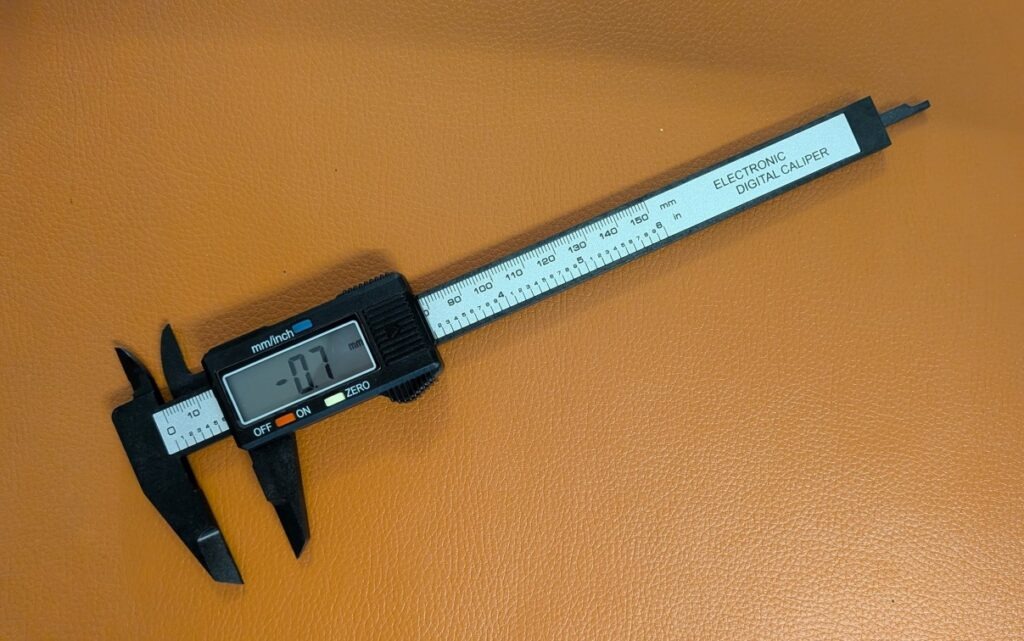
Yes, I know you may think it is crazy to order a scientific instrument which has little use in daily life. For me, this vernier caliper represents not just the good ol’ days, but a world that cherishes ‘scientific temperament’.
Sometimes, an early encounter can leave a deeper mark than we realize. They may not announce themselves as formative moments at the time. Instead, they just stay with us, shaping how we engage with the world, long after the cardboard has worn out…